When conversations go sideways at work,
people need a way through.
We facilitate thoughtful, voluntary conversations that help people name what happened, understand its impact, and decide what repair and accountability can look like.
Workplace missteps are human. So is the response.
When a comment lands badly, when tempers flare, or when discrimination disrupts a workplace, policies and investigations may be necessary. They can answer important questions about rules and responsibility — but they often do not make room for every person affected to be heard, ask questions, or shape what happens next.
Restorative practices create a structured space for those conversations. It centers the people most affected, supports meaningful accountability, and helps teams consider what needs to change for work to move forward.
Hear the impact
Make room for people to describe what happened and what it has meant to them.
Build accountability
Support honest understanding, responsibility, and actions that address the impact.
Change what comes next
Identify needs, boundaries, and workplace conditions that can help prevent similar situations.
Choose a response that fits
the people and the moment.
From everyday missteps to deeper conflict and discrimination, each engagement is shaped around the people involved and what they want from a restorative process.
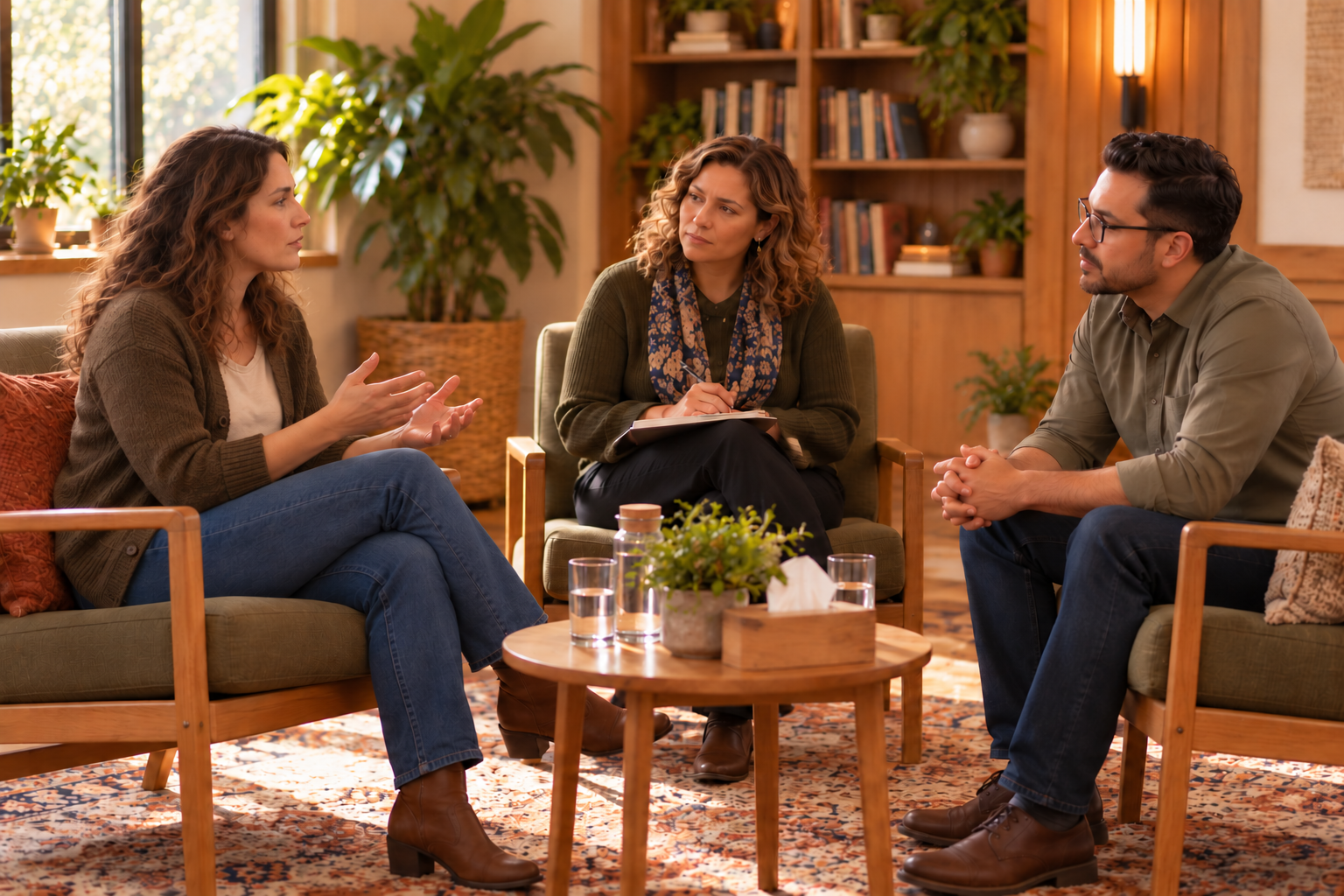
Facilitated Dialogue
For people who want to speak directly with one another in a supported setting. A facilitator meets with participants separately to understand their needs and prepare before any joint conversation.
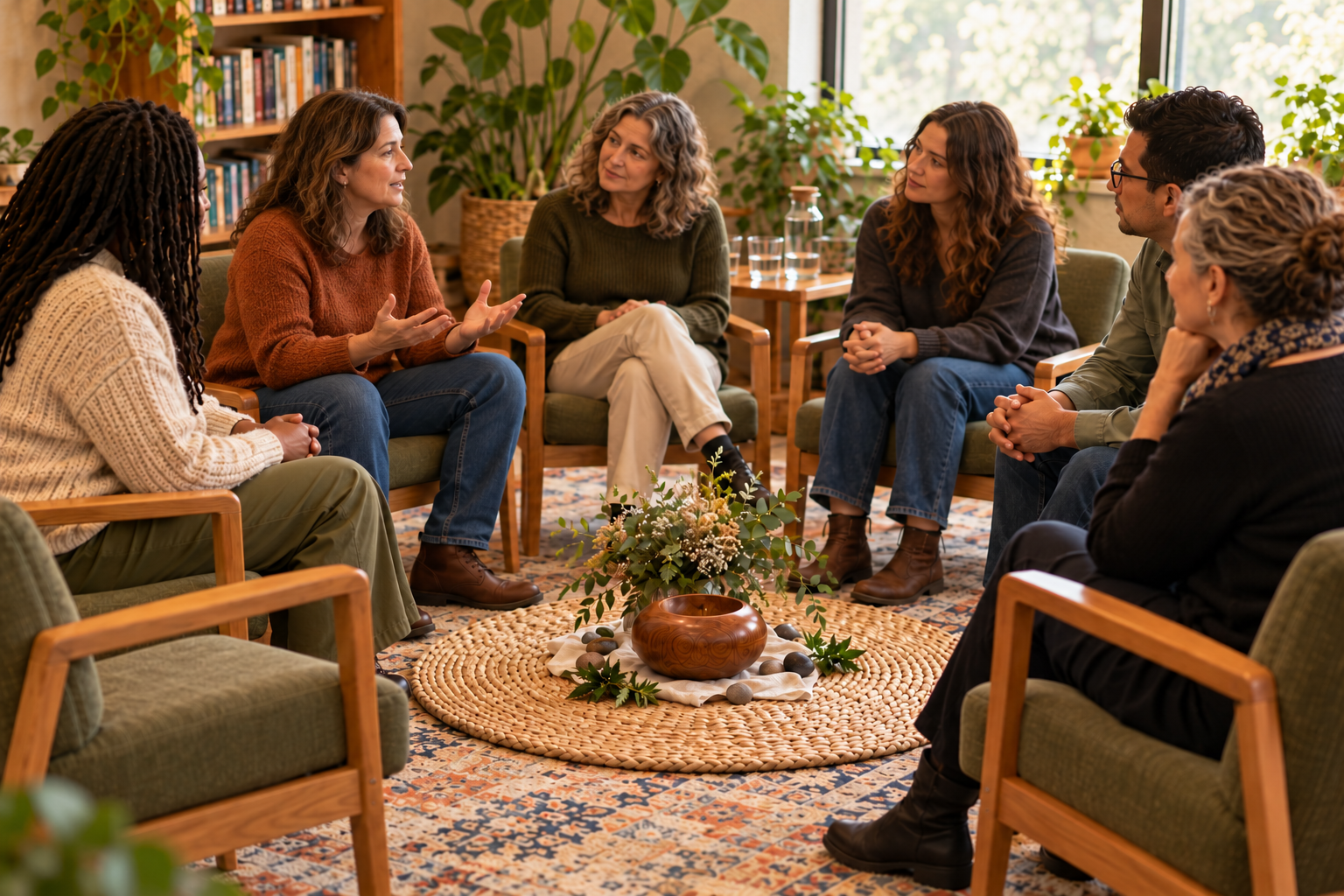
Restorative Circles
Bring a team or community together to understand what has happened, surface needs, and agree on practical ways to rebuild trust and work together.
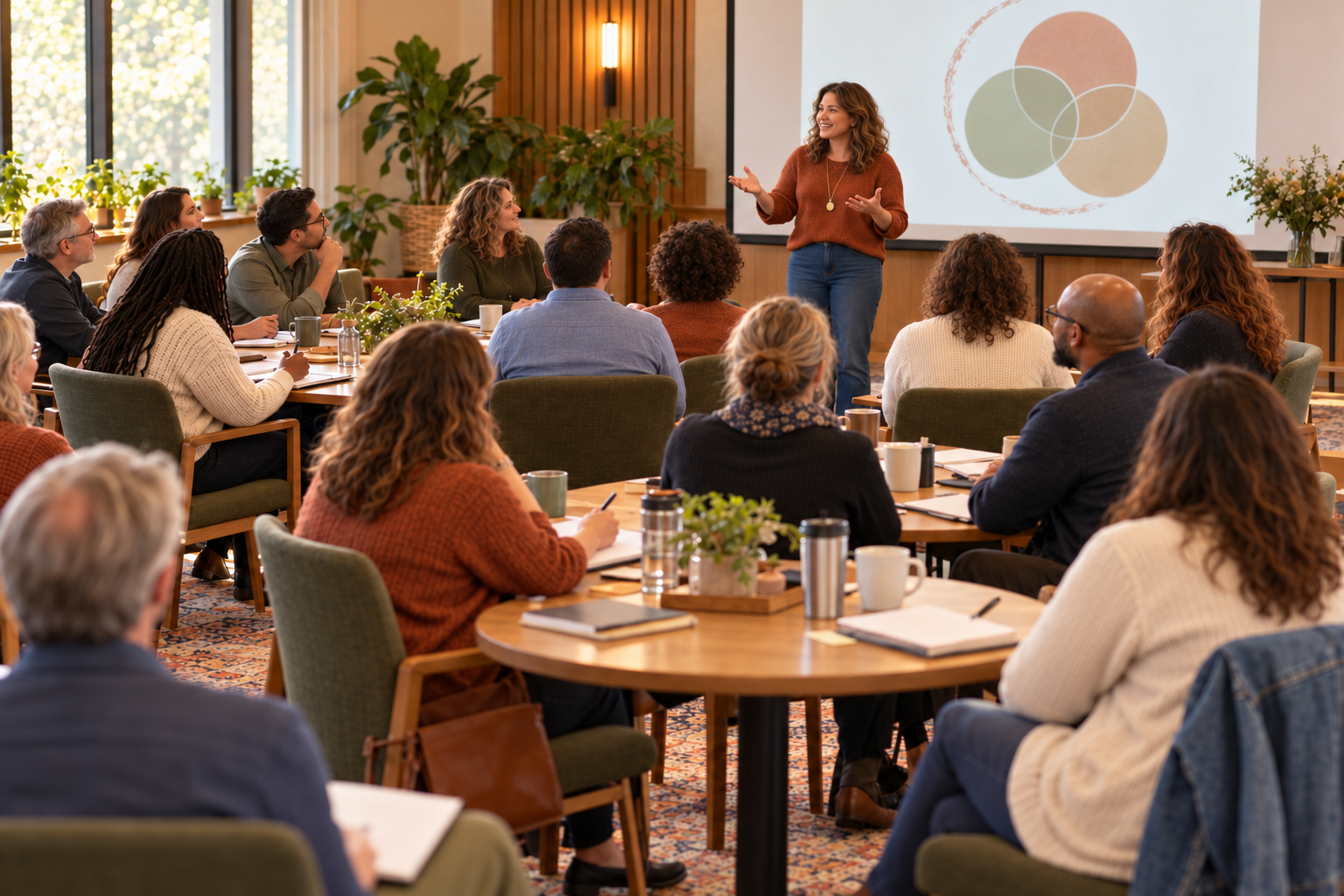
Workplace Learning
Help leaders and teams build the skills to respond to conflict, practice accountability, and strengthen a culture where people can raise concerns and be taken seriously.
Careful by design. Voluntary at every step.
-
We meet with the organization to understand the situation, priorities, and any existing processes or obligations.
-
Participants can share their perspective, needs, questions, and boundaries in separate preparation conversations.
-
We explain the process and agree on participation, safety, support, and information-sharing before moving ahead. Anyone can pause or decline.
-
If participants choose to proceed, we guide the conversation and help document next steps and any agreed follow-up.
People deserve to be heard
where they work.
Just People at Work brings restorative practice into the places where we spend so much of our lives. The work is grounded in a simple belief: people affected by workplace missteps, conflict, or discrimination should have options in what happens next, and people whose words or actions affected others should have a real opportunity to take responsibility.
Our founder, Sarah Super, is a facilitator, advocate, and the founder of Just People. Her background spans workplace learning and development, community organizing, and restorative responses to sexual violence.
There is no script for this. We can start by listening.
Tell us a little about what is happening, what support you are looking for, or what you are still trying to understand. We’ll respond to explore whether or not a restorative process may be a fit.